top of page


Our Investment Strategies
The direct application of our quantitative philosophy. We offer a diverse menu of strategies across multiple asset classes, designed to provide targeted exposure to different market segments and investment styles.
Equity Strategies

US Large Cap Growth
We invest in 60-75 competitively advantaged US large-cap growth stocks, leveraging innovation and change for rapid earnings and cash flow growth. We're patient investors, building positions in high-conviction companies at attractive valuations relative to their long-term potential.

US Large Cap Value
Our "best ideas" portfolio targets 60-65 overlooked US large-cap companies. We seek high-quality businesses with strong management, solid balance sheets, and durable earnings, trading inexpensively relative to their history, sector, or the broader market.

Non-US International ADR Core
This thematic growth portfolio diversifies globally across geographies, economies, and demographics. We aim for long-term capital appreciation by investing in non-U.S. securities of varying market capitalizations.
ETF Strategies (Index Advantage)

US Small/Mid Cap Core
Seeking long-term capital growth, this fund typically invests at least 80% of its net assets in small-cap companies. Our team builds portfolios of companies with high or improving return on invested capital, quality management, strong competitive positions, and compelling valuations.
International Non-US
Our strategy targets returns higher than the MSCI EAFE Index. We build portfolios using ETFs across large, mid, and small-cap non-US equities, encompassing growth, blend, and value styles. This strategy combines strategic and tactical allocation to provide broad international equity exposure.
Global
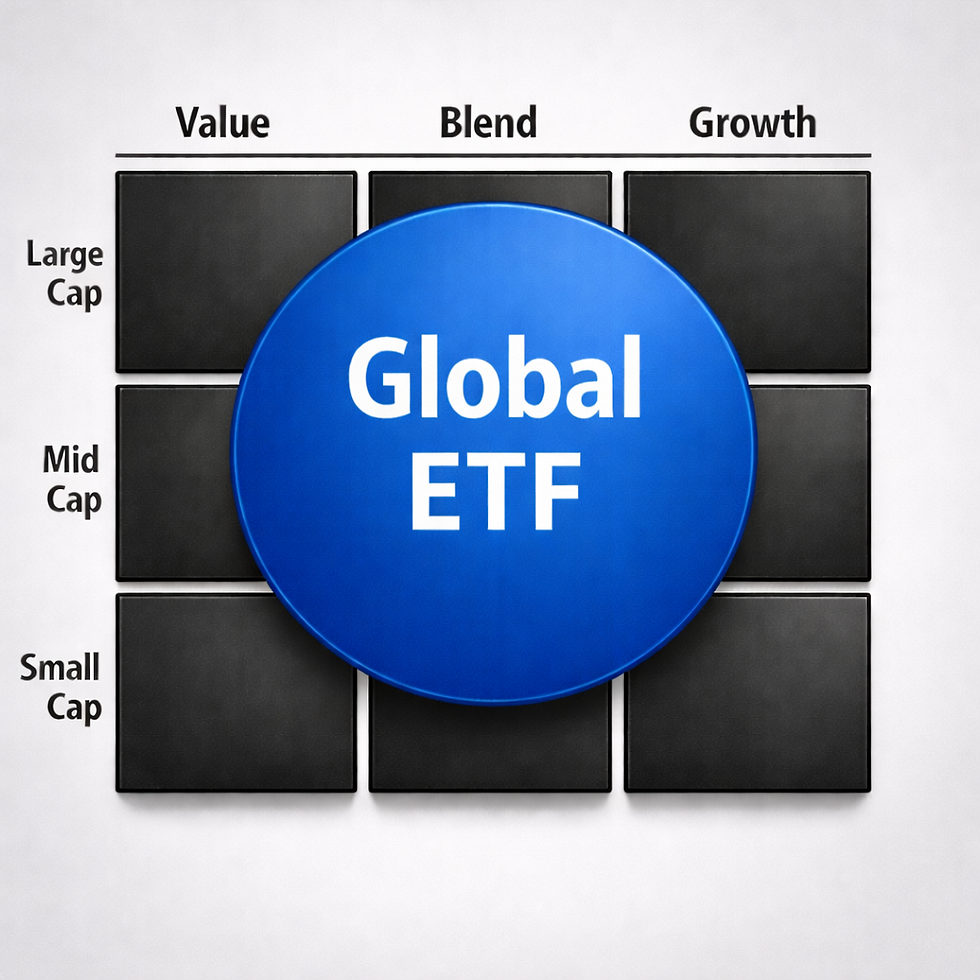
Aiming for returns exceeding the MSCI All Country World Index, our Global strategy invests in US and non-US equity ETFs across all market capitalizations (large, mid, small) and styles (growth, blend, value). This 50% strategic/50% tactical allocation offers comprehensive equity market exposure.
Fixed Income Strategies

Structured Yield Notes
Yield notes are investments created to generate income, often with higher payout potential than more traditional fixed income investments generally looking for an annualized fixed payment between 10% - 15%. Their return depends on a set formula tied to the performance of an underlying asset, index, or basket of securities. in exchange for that higher income potential, investors take on added complexity and risk, including the possibility that returns or principal repayment may depend on market conditions and the specific terms of the note.

Structured Growth Notes
Non-US
Growth notes are investment products designed to provide return potential through market appreciation rather than regular income. Their performance is typically linked to an underlying asset, index, or basket of securities, allowing investors to participate in market gains based on the terms of the note. In exchange for that growth potential, investors take on added complexity and risk, including the possibility that returns may be limited, and principal repayment may depend on market performance and the structure of the note.
Fixed Income Strategies
Structured Yield Notes
Yield notes are investments created to generate income, often with higher payout potential than more traditional fixed income investments generally looking for an annualized fixed payment between 10% - 15%. Their return depends on a set formula tied to the performance of an underlying asset, index, or basket of securities. in exchange for that higher income potential, investors take on added complexity and risk, including the possibility that returns or principal repayment may depend on market conditions and the specific terms of the note.
Structured Growth Notes
Growth notes are investment products designed to provide return potential through market appreciation rather than regular income. Their performance is typically linked to an underlying asset, index, or basket of securities, allowing investors to participate in market gains based on the terms of the note. In exchange for that growth potential, investors take on added complexity and risk, including the possibility that returns may be limited, and principal repayment may depend on market performance and the structure of the note.
bottom of page